इतिहास
इतिहास
रंगी ओड्यार बटी 1994 क राज्य आंदोलन तक — केदारखंड और मानसखंड कि काथ, जो धरती कैं आज हम गढ़वाल और कुमाऊँ कूँनू।
यो हिस्स अजि कुमाऊँनी में अनुवाद नि हैरय, यैक लिजी अंग्रेजी में दिखूणौ। के तुम येक अनुवाद में मदद करला?अनुवाद में मदद करो
समय-रेखा
- Prehistory
Rock shelters of Lakhudiyar
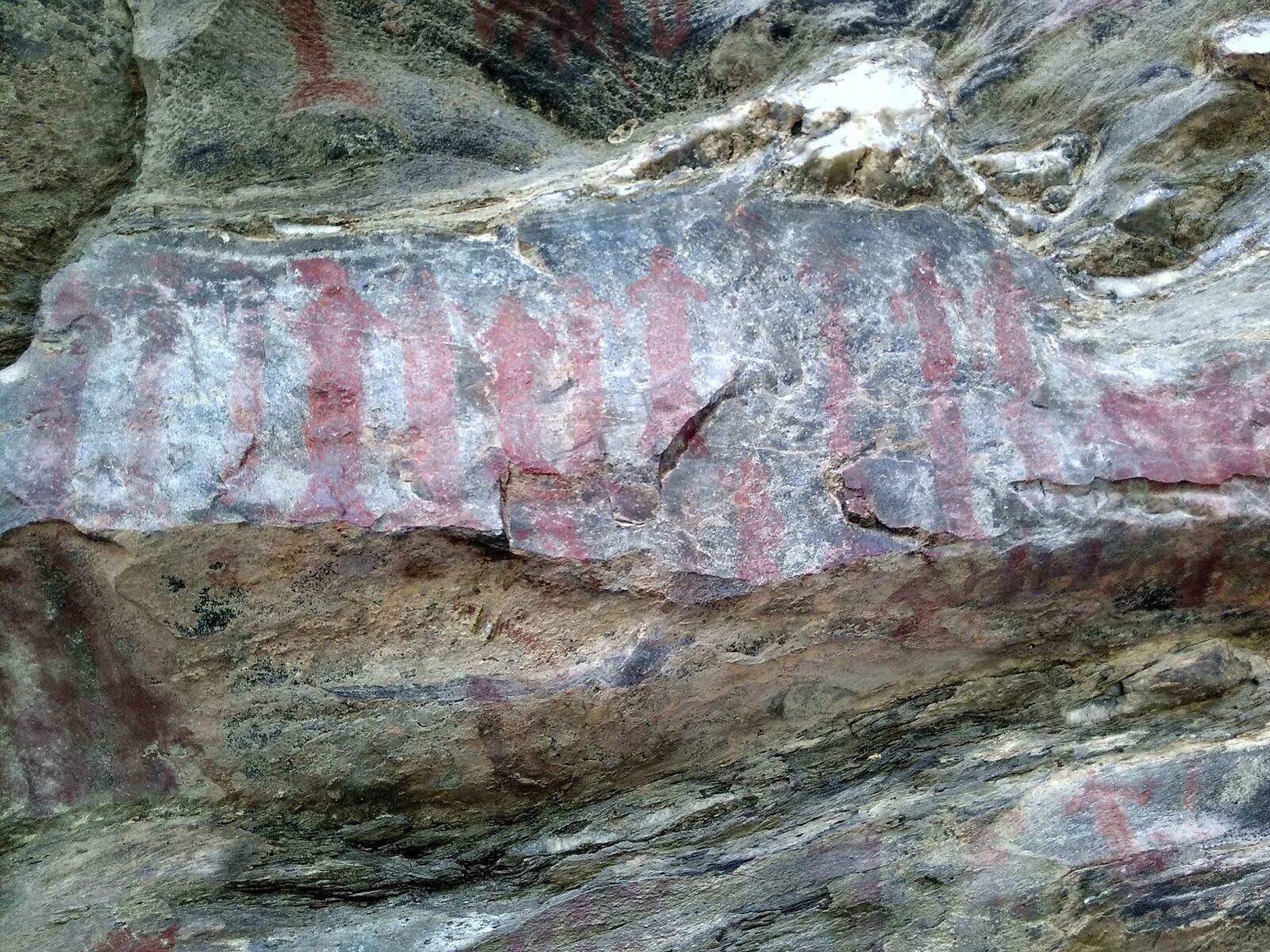
Painted rock shelters at Lakhudiyar near Barechhina (Almora), on the Suyal river, carry figures of humans, animals and wavy lines in red, black and white — some of the oldest surviving human expression in the Kumaon hills. Megalithic burials and artefacts have also been found at Malari in the upper Dhauli valley (Chamoli).
© Ramwik · CC BY-SA 3.0 - Puranic age
Kedarkhand and Manaskhand
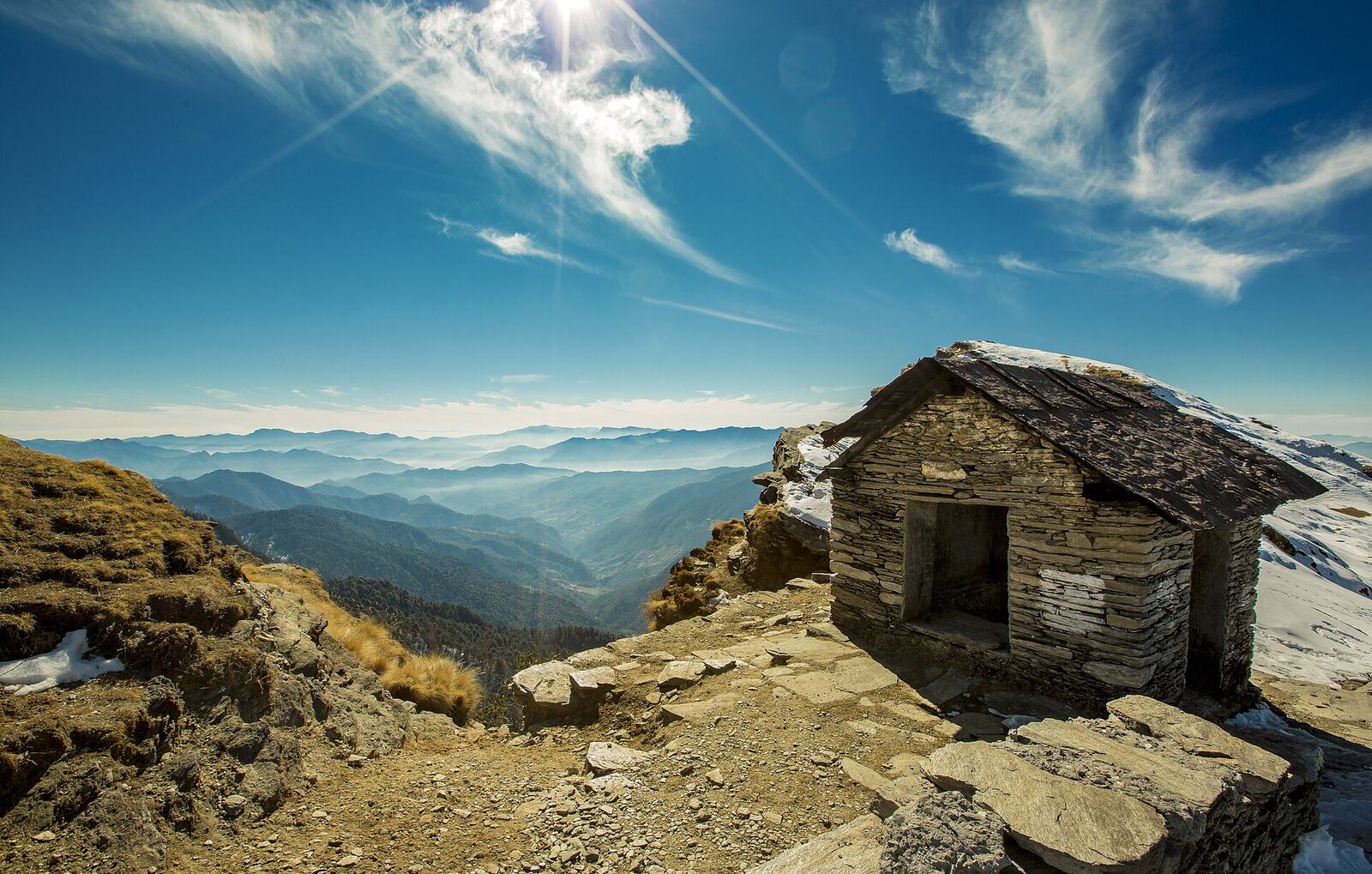
The Skanda Purana describes the region in two parts: Kedarkhand (roughly today's Garhwal) and Manaskhand (roughly today's Kumaon). The land is remembered as Devbhoomi — the land of the gods — home to the sources of the Ganga and Yamuna and countless sites linked to the Mahabharata and the Pandavas.
© Aditya Siva · CC0 - c. 3rd century BCE
Ashoka's rock edict at Kalsi
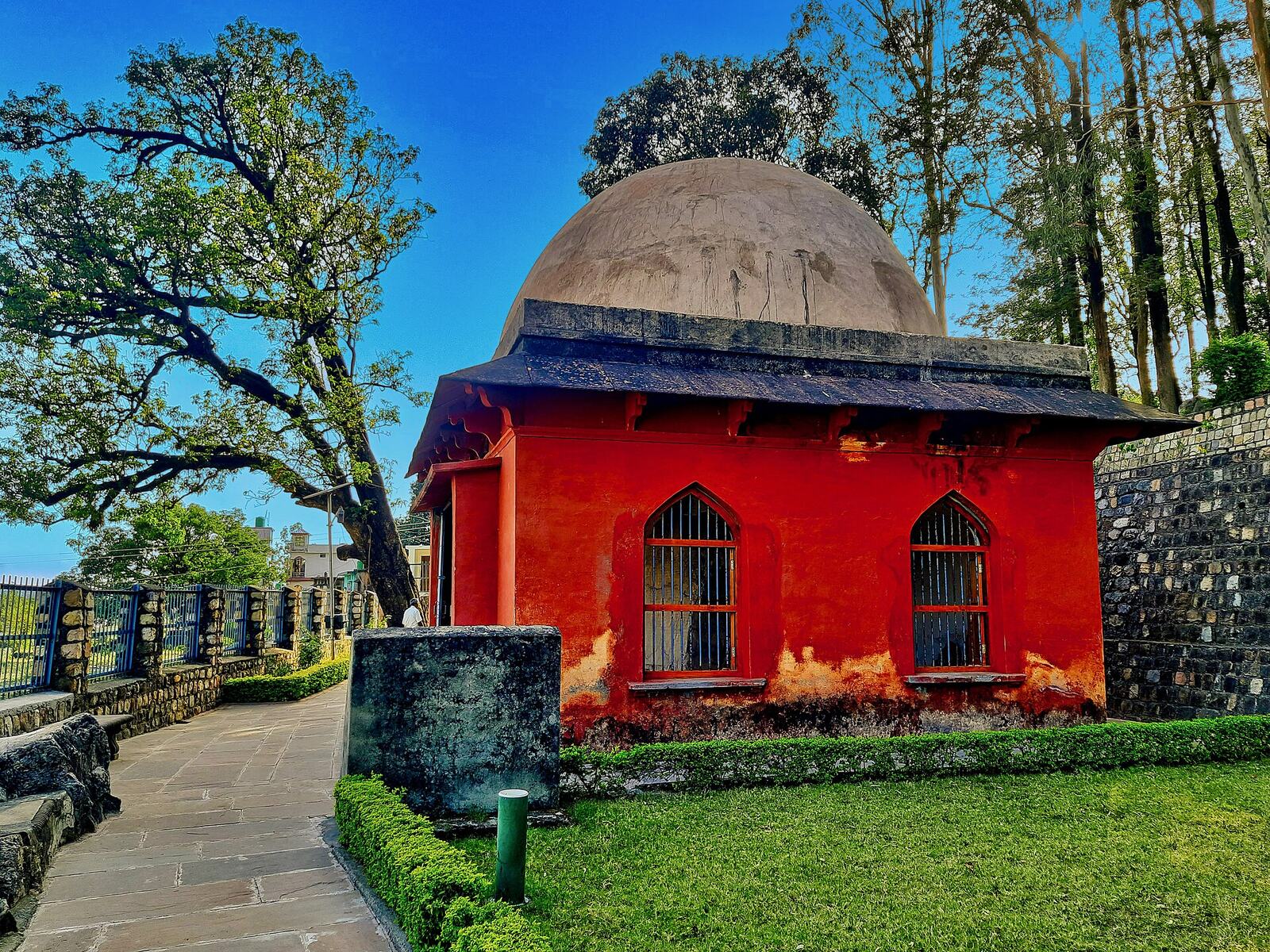
At Kalsi, near the Yamuna in Dehradun district, a large quartz boulder carries Emperor Ashoka's fourteen major rock edicts in Brahmi script — evidence that this foothill region lay on important routes of the Mauryan world.
© Ms Sarah Welch · CC0 - c. 2nd century BCE – 3rd century CE
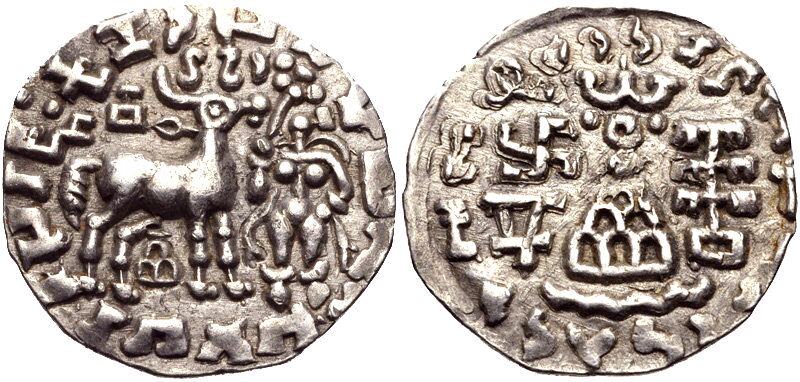
The Kunindas
The Kunindas, one of the earliest known ruling peoples of the central Himalaya, issued silver and copper coins found across the region. Their rule connected the hills with the trade and religious life of the Gangetic plains.
© CNG Coins · CC BY-SA 3.0 - c. 7th – 11th century
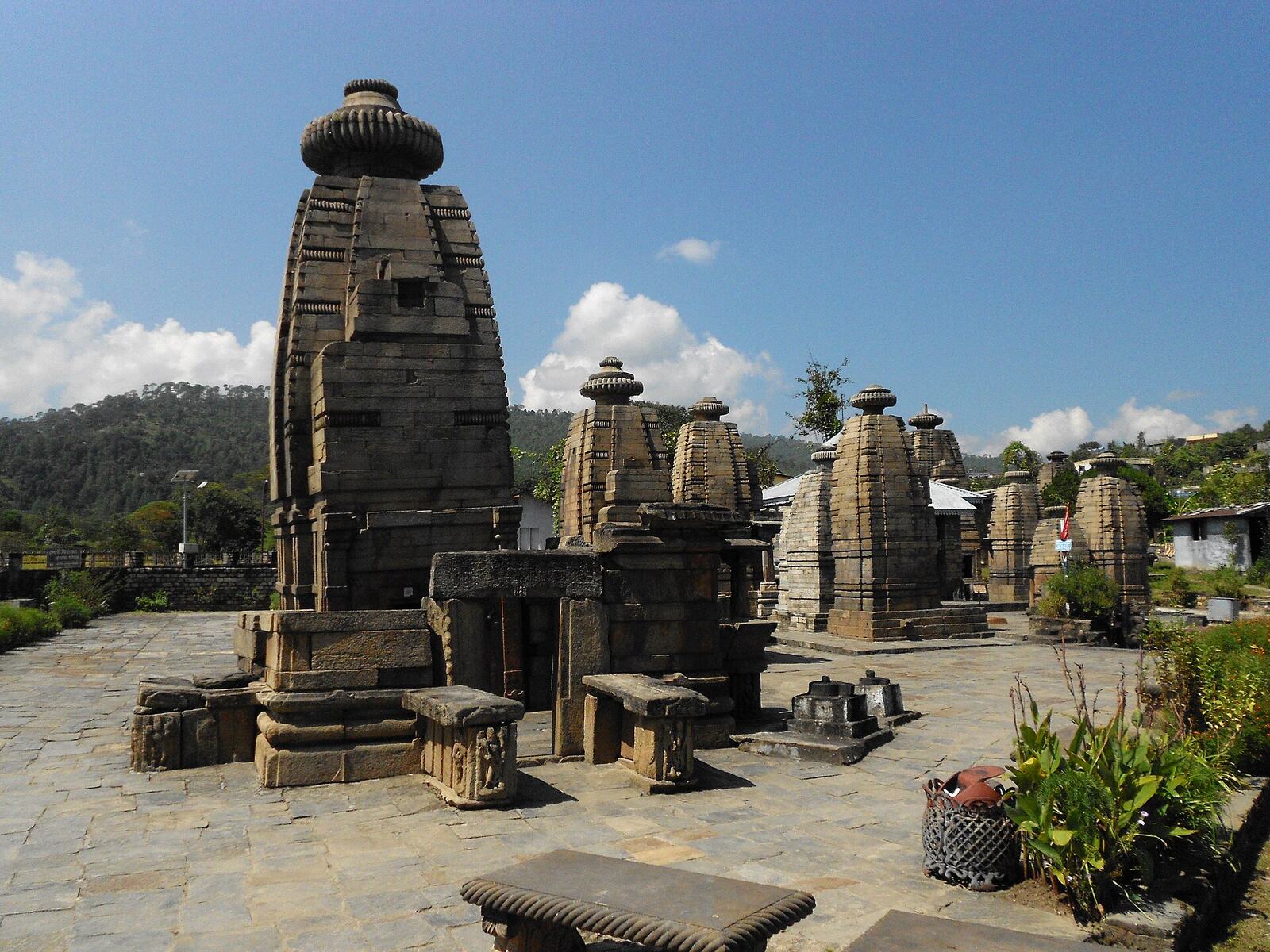
The Katyuri kingdom
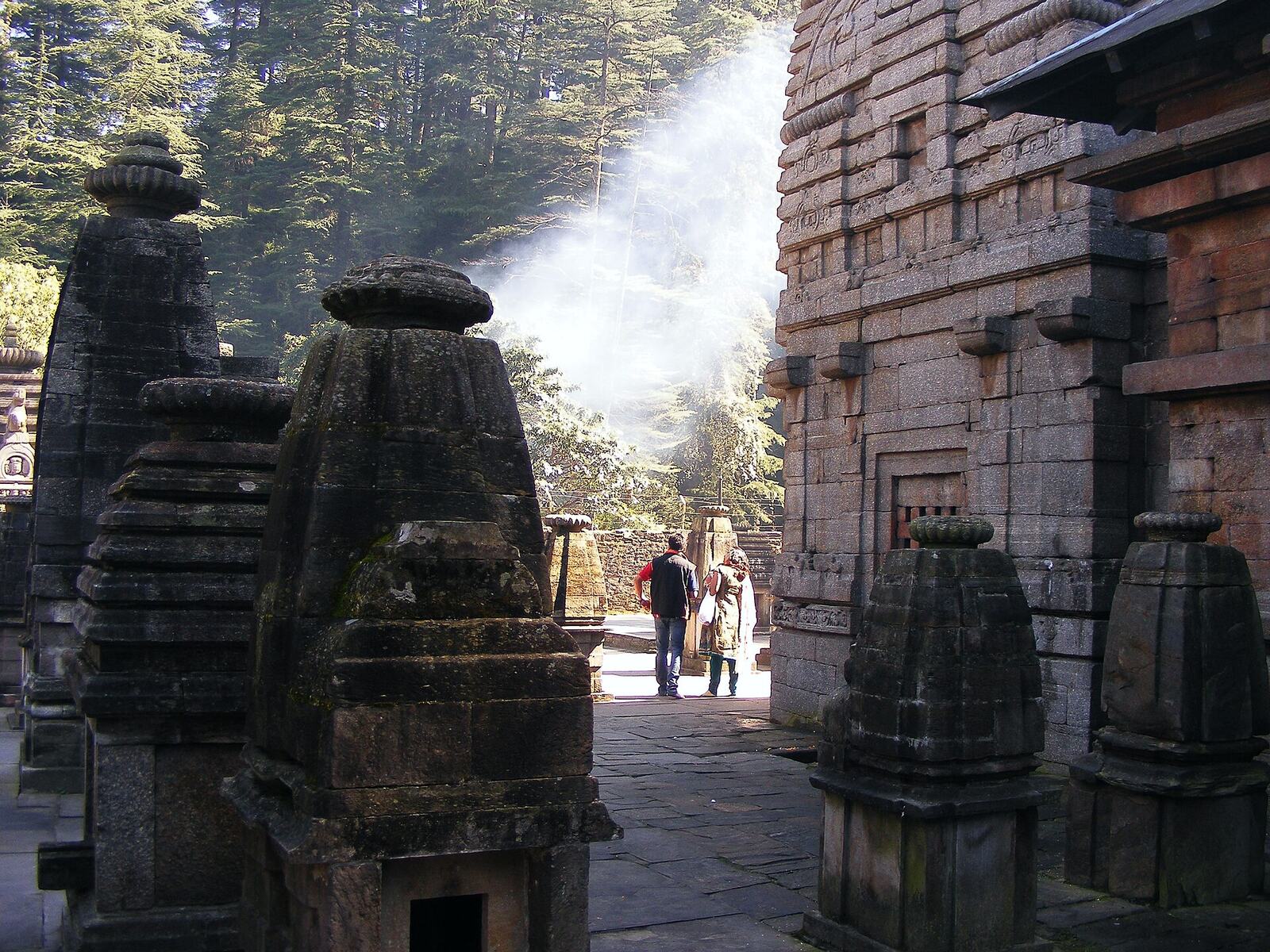
The Katyuris ruled much of present-day Uttarakhand — first from Joshimath, later from Kartikeyapura in the Katyur valley near Baijnath. The great stone temples at Jageshwar, Baijnath and Bageshwar grew under their patronage. As central power weakened, the kingdom broke into smaller principalities, and Katyuri lines survived in places like Askot and Dwarahat.
© Yann (talk) · CC BY-SA 4.0 - 8th century
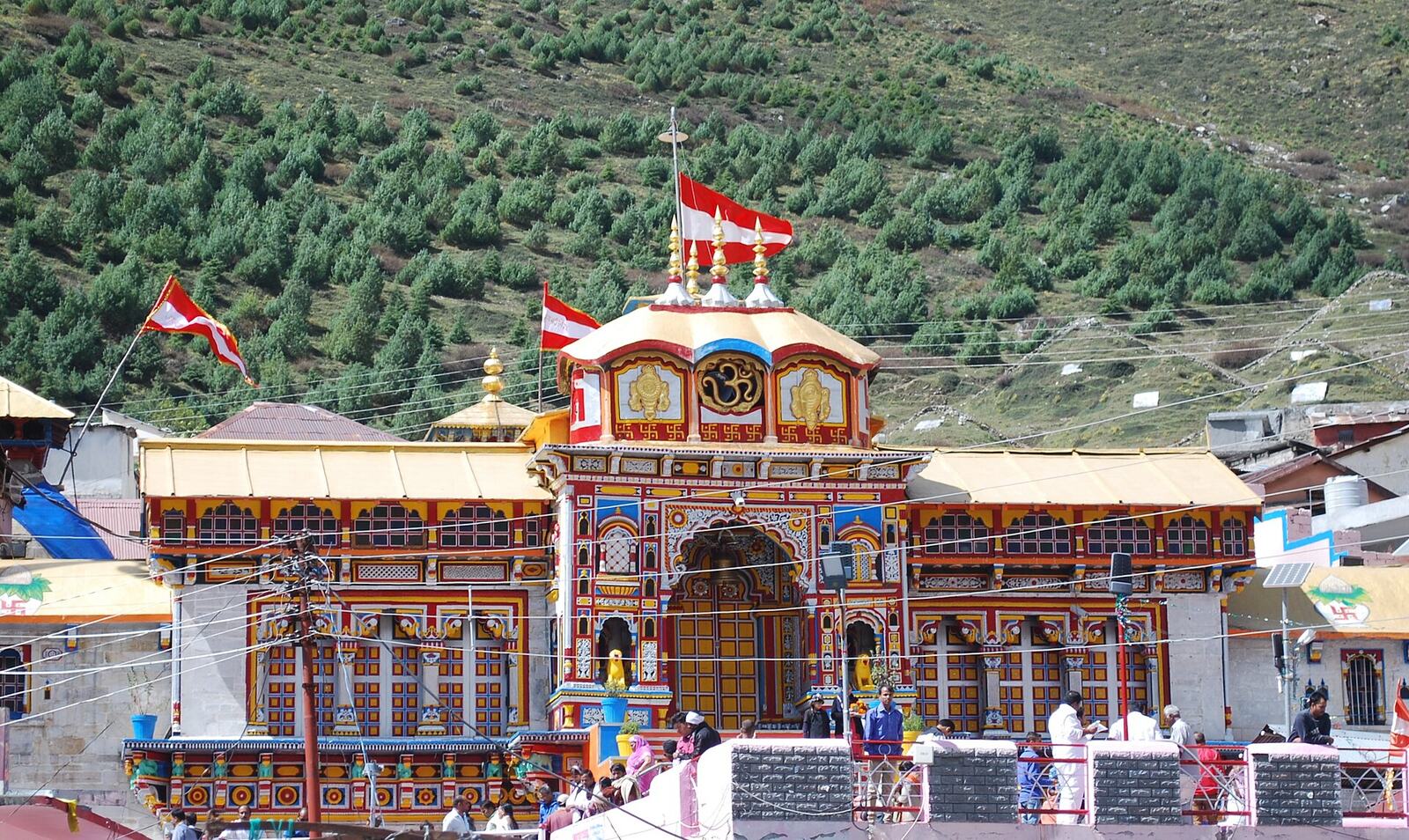
Adi Shankaracharya in the Himalaya
Adi Shankaracharya is credited with establishing Jyotirmath (Joshimath), one of the four cardinal maths, and reviving worship at Badrinath and Kedarnath. Priests from South India still serve at Badrinath — a living link from that age.
© Vishwanath Negi · CC BY 4.0 - c. 10th–13th century onward
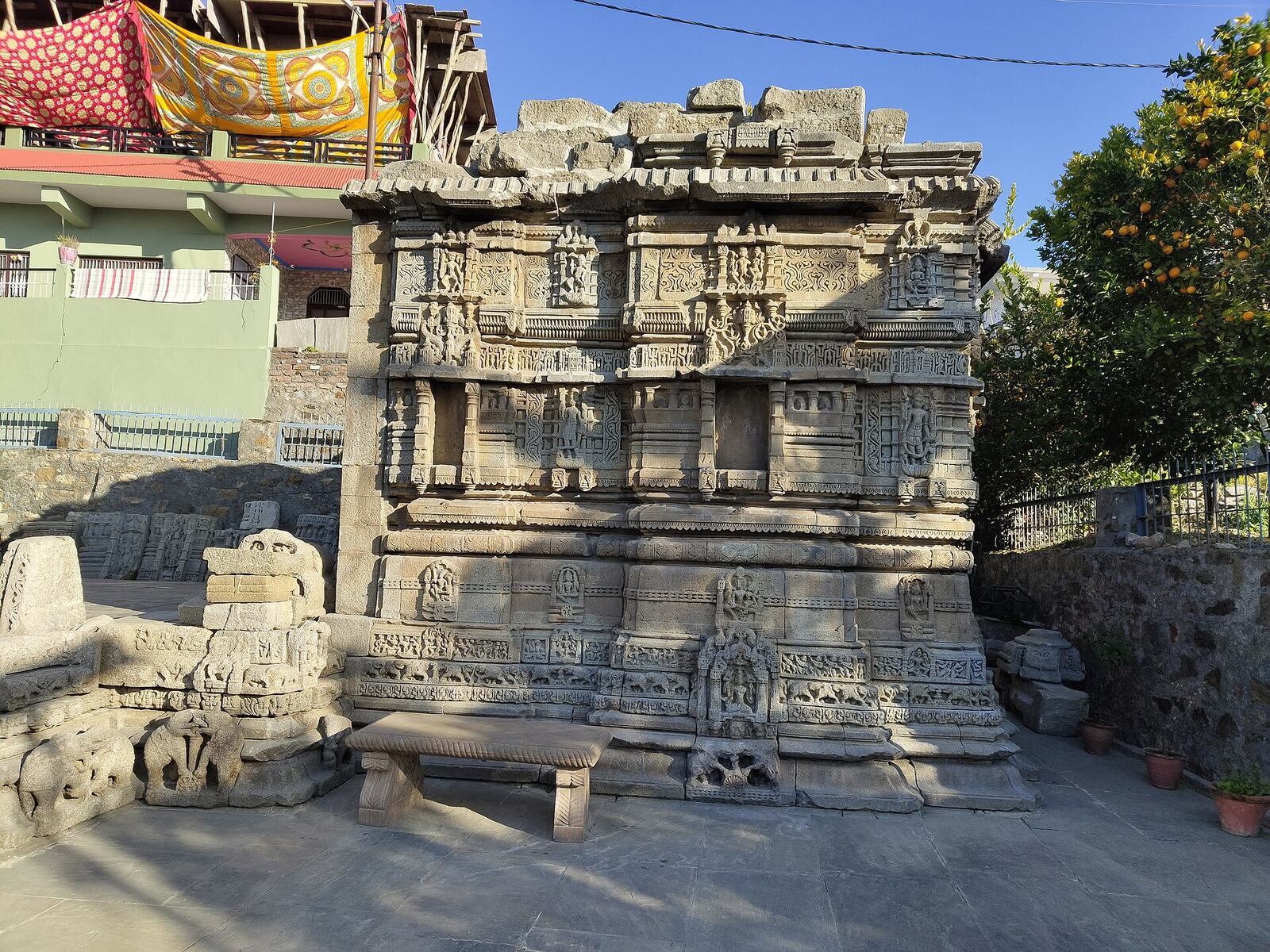
Rise of the Chand dynasty (Kumaon)
Traditionally founded by Som Chand, the Chands ruled from Champawat and gradually united Kumaon. In 1563 Raja Balo Kalyan Chand moved the capital to Almora, which became the cultural heart of the hills. The Chands are remembered for temples, the Nanda Devi festival at Almora, and patronage of art and learning.
© ArmouredCyborg · CC BY-SA 4.0 - c. 9th century onward
The Panwar (Parmar) dynasty (Garhwal)
According to tradition, Kanak Pal founded the line at Chandpur Garhi. Garhwal was then split into many small forts — the famous 52 garhs — until Raja Ajay Pal (14th century) united them, moving the capital to Devalgarh and then Srinagar on the Alaknanda. The name Garhwal itself means 'land of forts'.
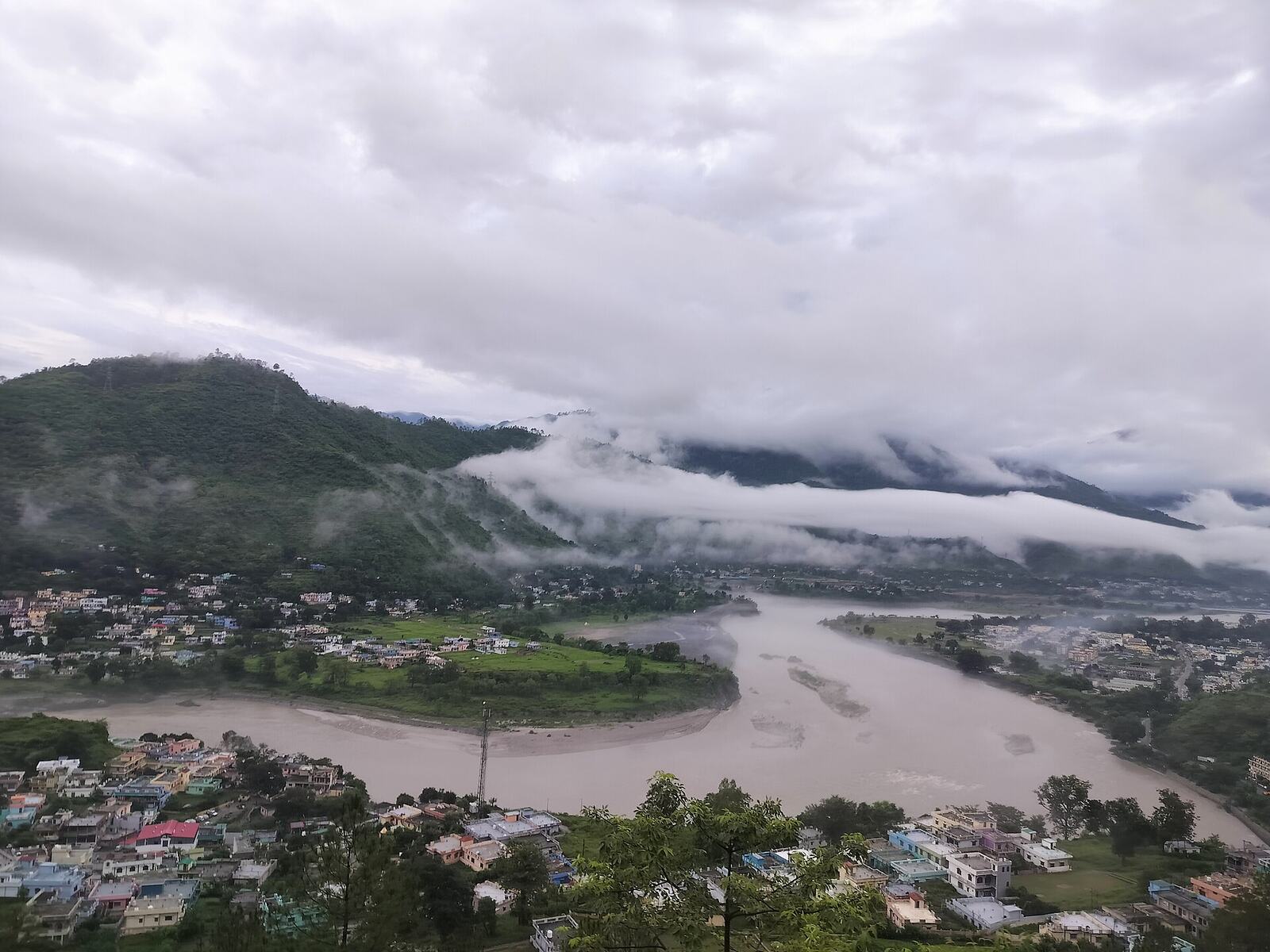
© Nitin Maletha · CC BY-SA 4.0 - 17th century
Tilu Rauteli, warrior of Garhwal
Folk memory celebrates Tilu Rauteli of Gurad village (Pauri), who as a teenager led fighters against Katyuri raiders after losing her father, brothers and fiancé in battle. Uttarakhand's highest award for women's achievement is named after her.
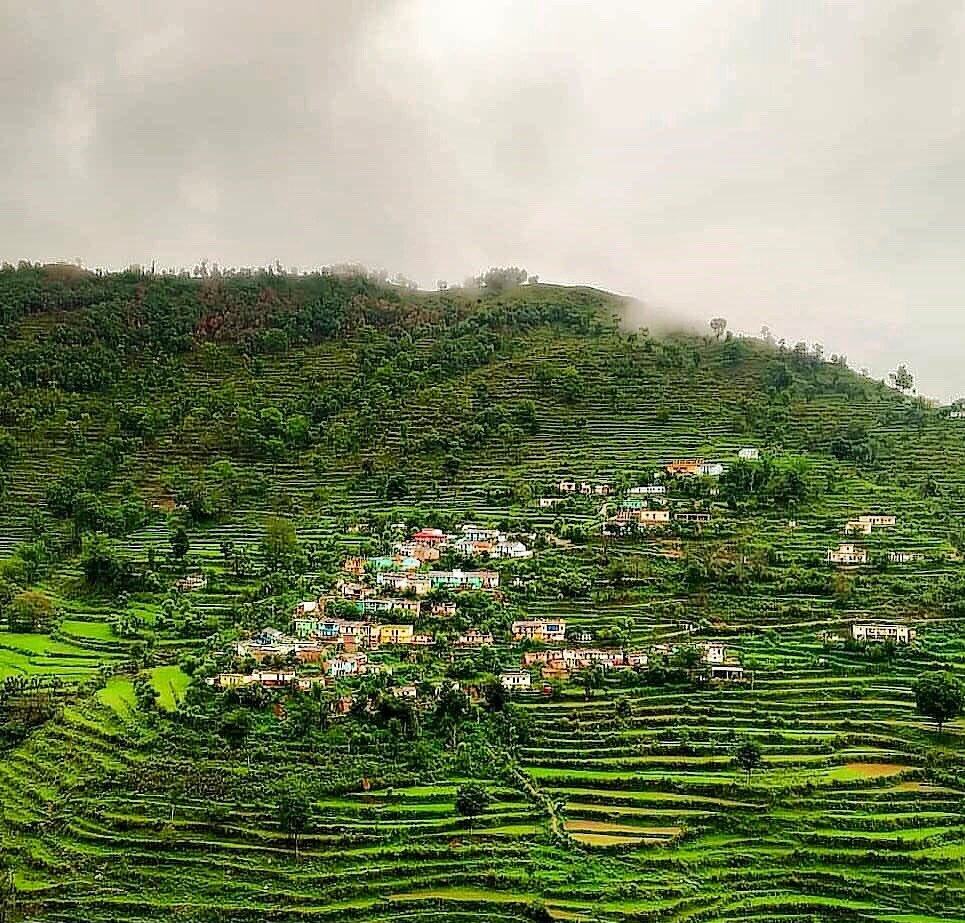
© Botsaroj · CC BY-SA 4.0 - 1790
Gorkha conquest of Kumaon
Weakened by internal conflict, the Chand kingdom fell to the expanding Gorkha kingdom of Nepal in 1790. The period of Gorkha rule — remembered in the hills as the 'Gorkhyani' — was marked by heavy taxation and forced labour.
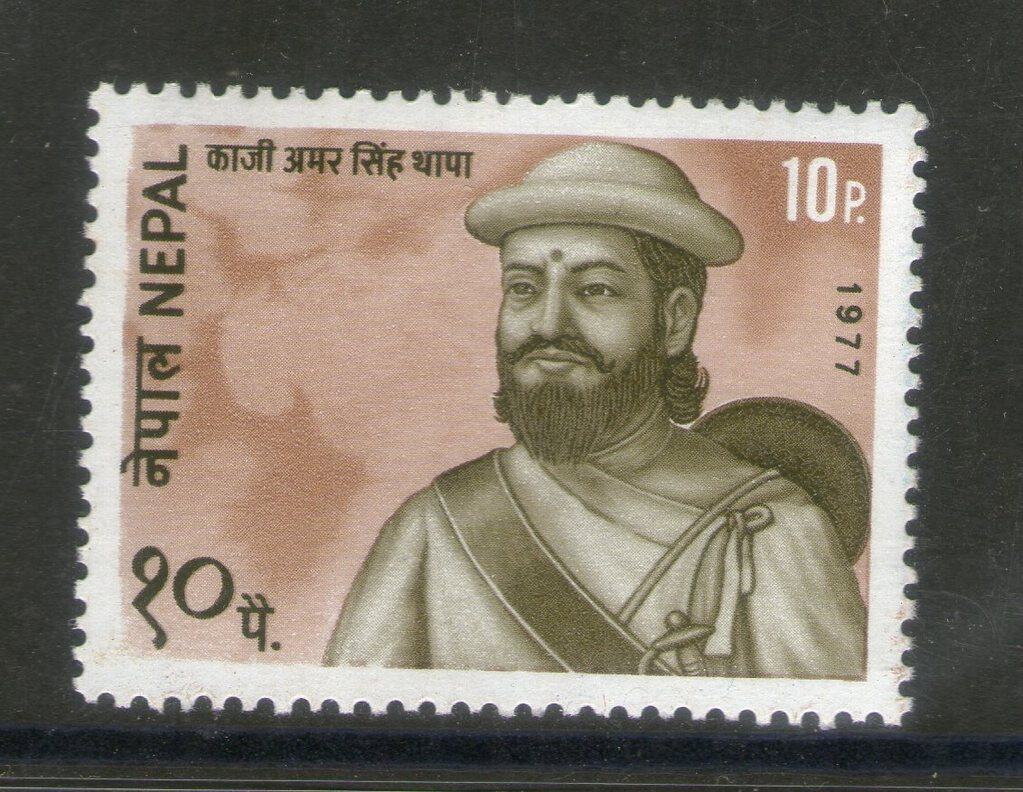
© Nepal · Public domain - 1803–1804
Fall of Garhwal; Battle of Khurbura
After an earthquake in 1803 devastated Garhwal, the Gorkhas invaded. Raja Pradyuman Shah was killed fighting at Khurbura near Dehradun in 1804, and Garhwal came under Gorkha control.
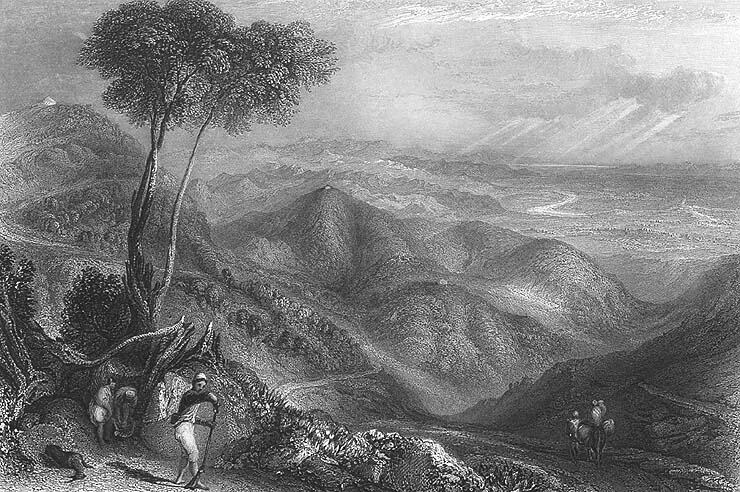
© AnonymousUnknown author · Public domain - 1814–1816
Anglo-Nepal War & Treaty of Sugauli
The East India Company defeated the Gorkhas in the Anglo-Nepal War. Under the Treaty of Sugauli (1816), Kumaon and eastern Garhwal came under British administration, while western Garhwal was returned to Sudarshan Shah as the princely state of Tehri Garhwal, with its capital at Tehri.
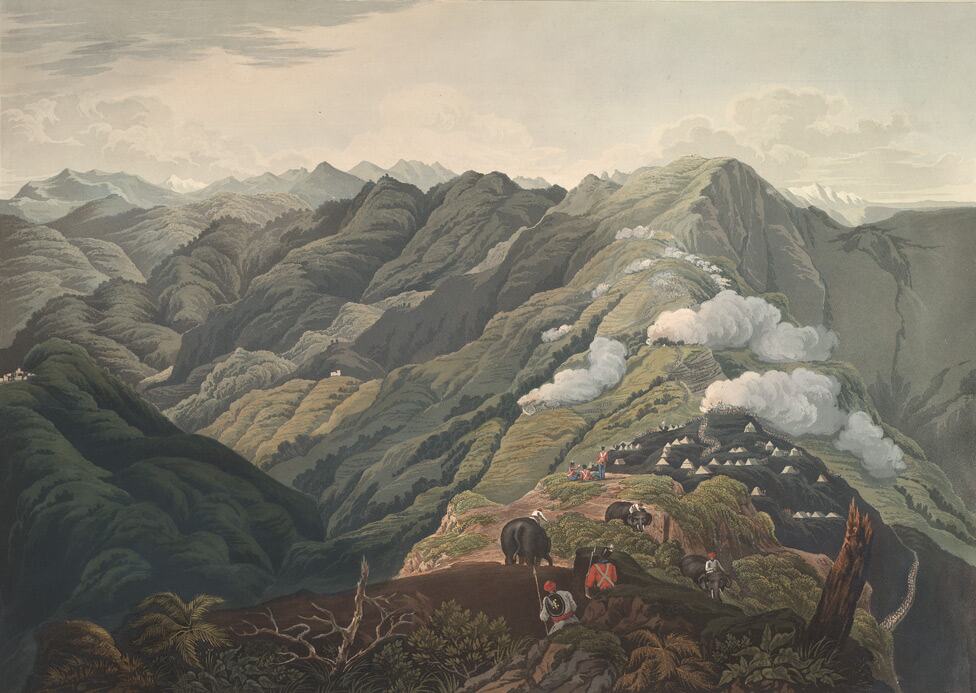
© James Baillie Fraser · Public domain - 19th century
Hill stations and regiments
The British developed Nainital (1841), Mussoorie, Ranikhet and Lansdowne. The Garhwal Rifles were raised at Lansdowne in 1887, and Kumaoni soldiers formed the core of what became the Kumaon Regiment — the start of a proud military tradition that continues in almost every hill family.
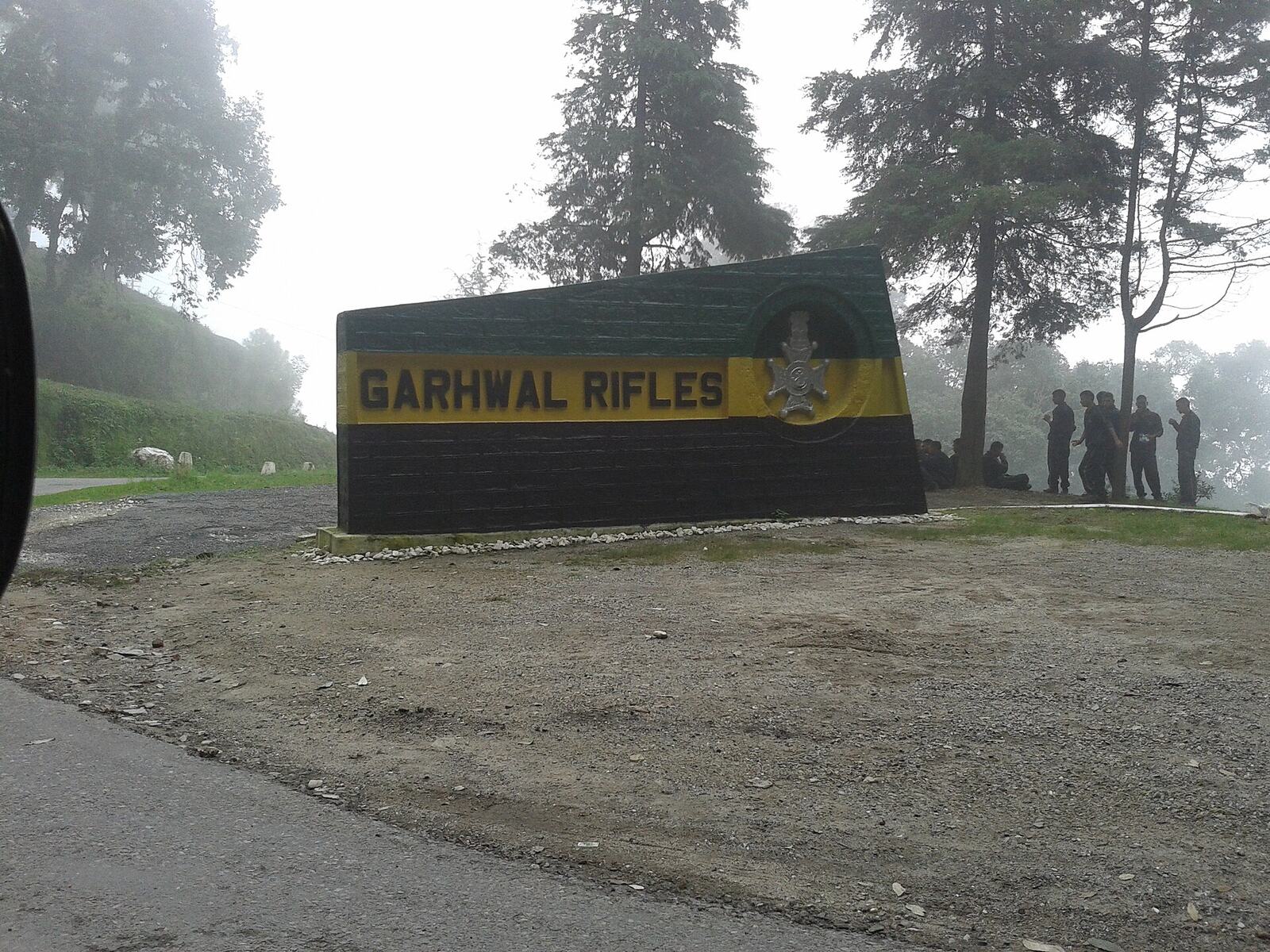
© Ashish Gupta from Noida, India · CC BY 2.0 - January 1921
Coolie Begar movement
At the Uttarayani fair in Bageshwar, thousands of people led by Badri Datt Pandey ('Kumaon Kesari') threw the registers of coolie begar — forced, unpaid porterage for officials — into the Saryu river. The practice collapsed; Gandhi called it a 'bloodless revolution'.
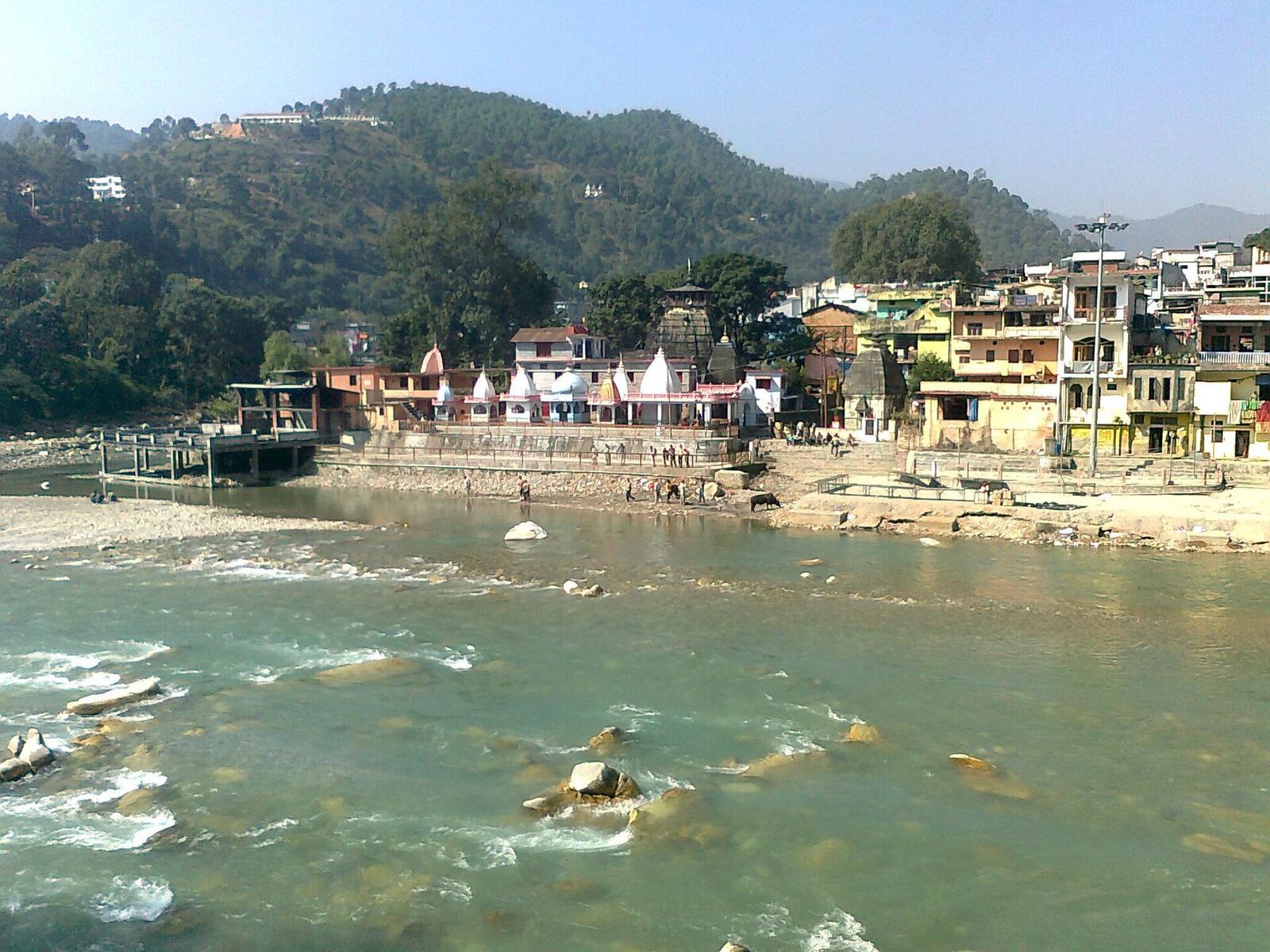
© pramod nagher · CC BY 3.0 - 23 April 1930
Chandra Singh Garhwali at Peshawar
Havildar Chandra Singh Garhwali and soldiers of the Royal Garhwal Rifles refused orders to fire on unarmed Khudai Khidmatgar protesters at Qissa Khwani Bazaar, Peshawar. They were court-martialled; the event became a symbol of conscience in the freedom struggle.
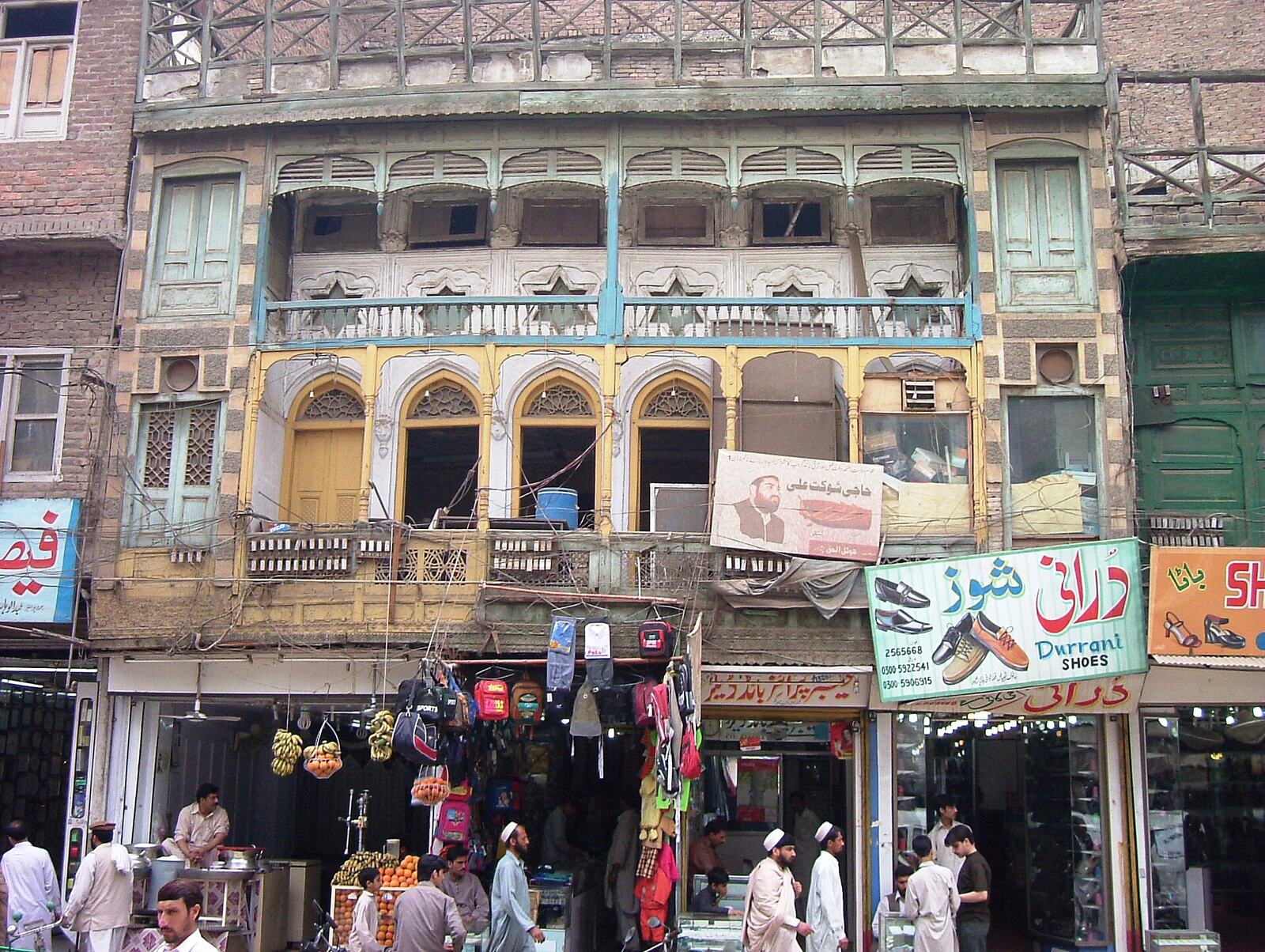
© franek2 · CC BY-SA 3.0 - 30 May 1930
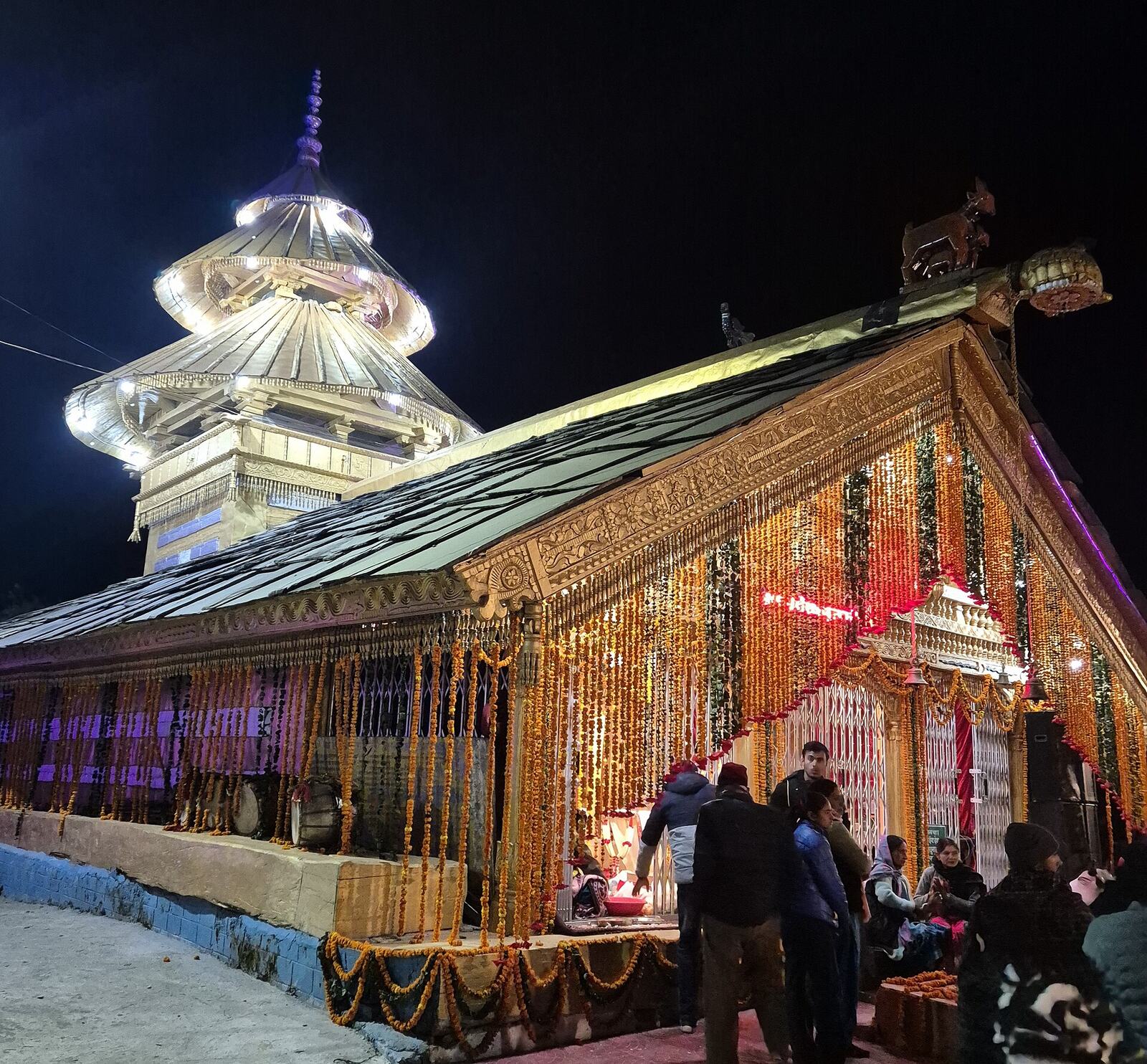
Tilari massacre (Rawain)
Villagers of Rawain in Tehri state, gathered at Tilari to protest new forest restrictions that took away their customary rights, were fired upon by the state's forces. The day is remembered in Uttarkashi as a day of martyrs.
© MSR2016 · CC BY-SA 4.0 - 25 July 1944
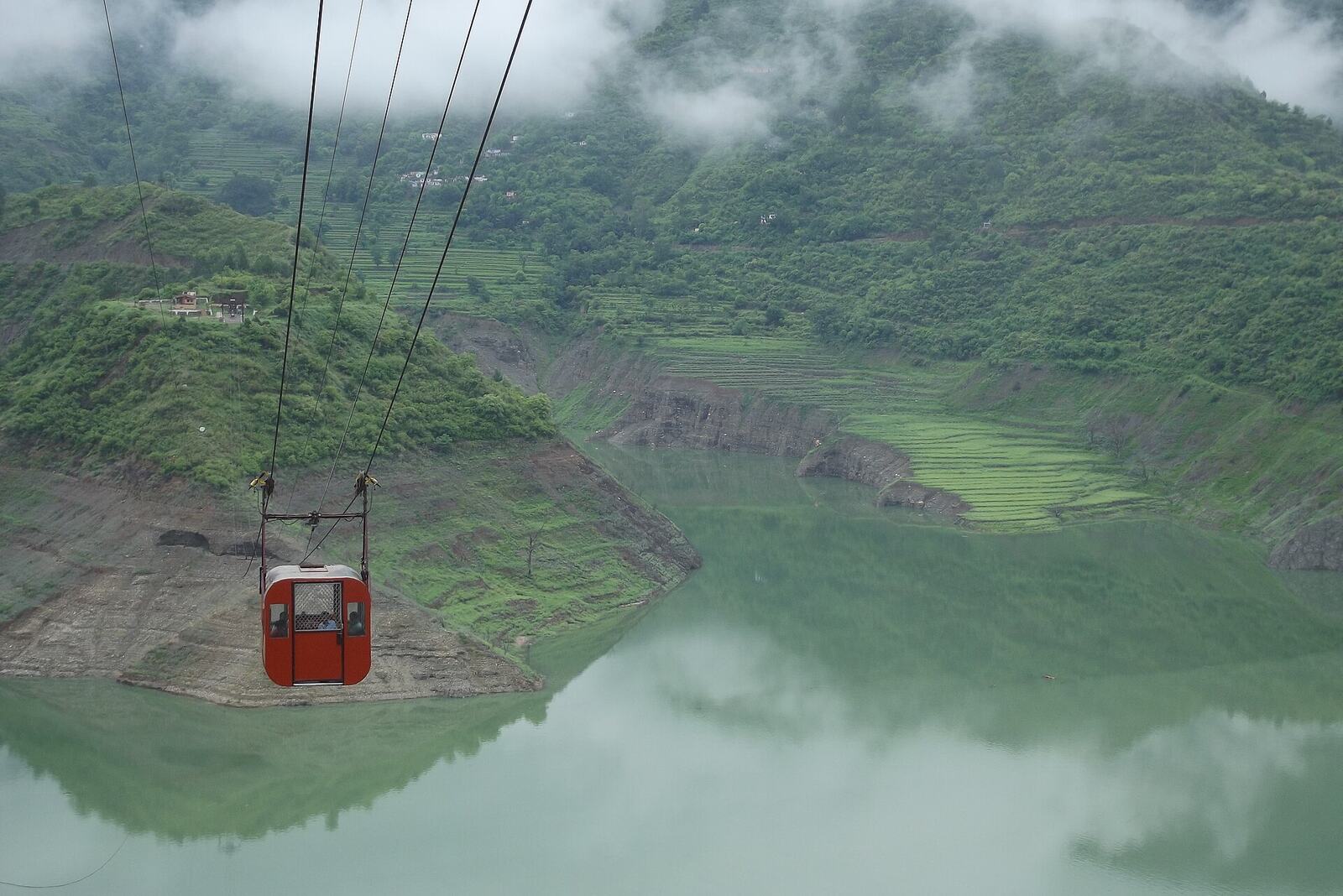
Sri Dev Suman
Freedom fighter Sri Dev Suman, who campaigned against the autocratic rule of the Tehri state, died in Tehri jail after an 84-day hunger strike. His sacrifice energised the movement that ended the princely state.
© Swantikumar · CC BY-SA 4.0 - 1 August 1949
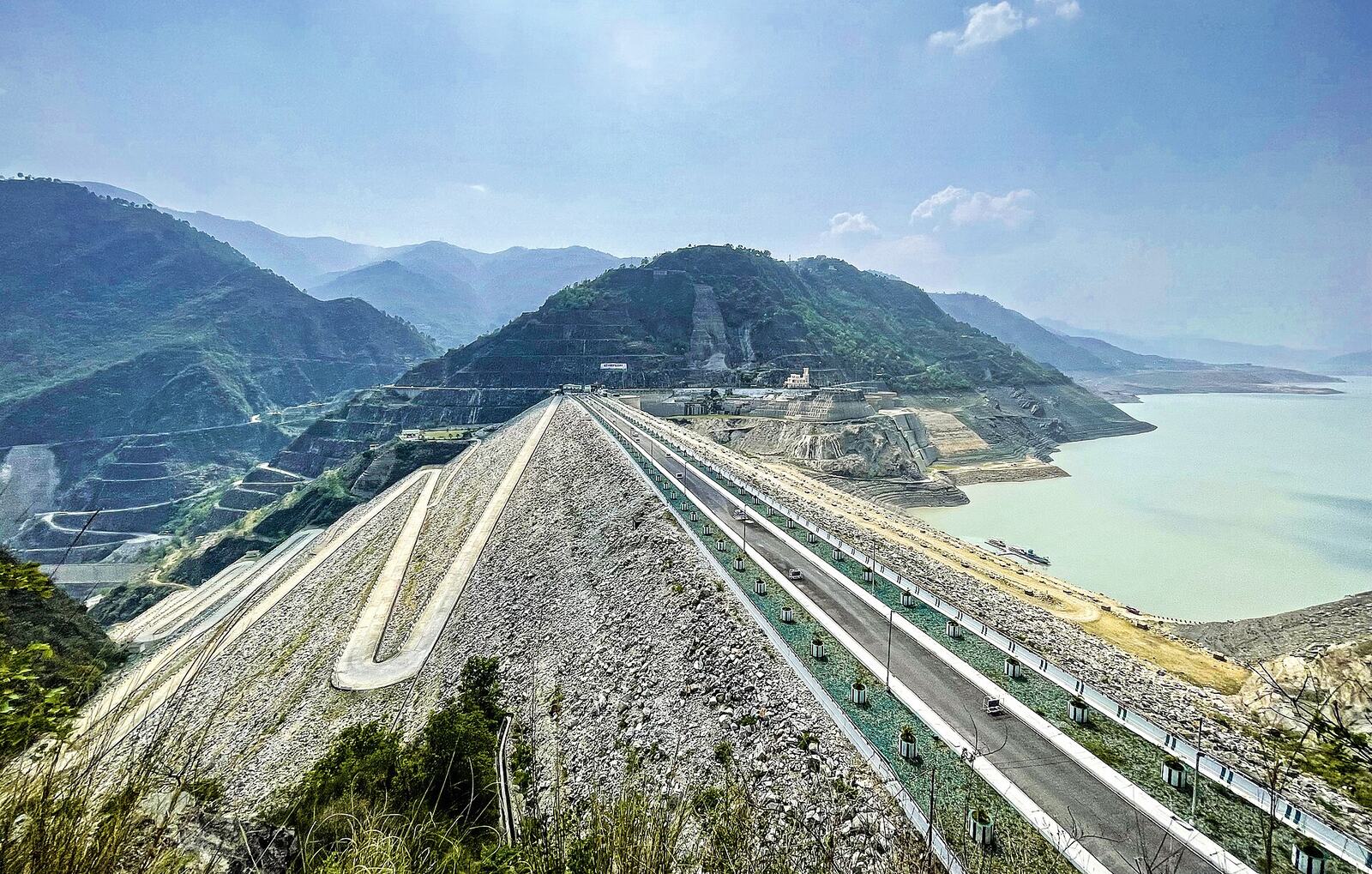
Tehri joins India
After a popular uprising (the Tehri Praja Mandal movement), the princely state of Tehri Garhwal merged with the Indian Union and became a district of Uttar Pradesh.
© Dr Vikramjit Kakati · CC BY-SA 4.0 - 1973 onward
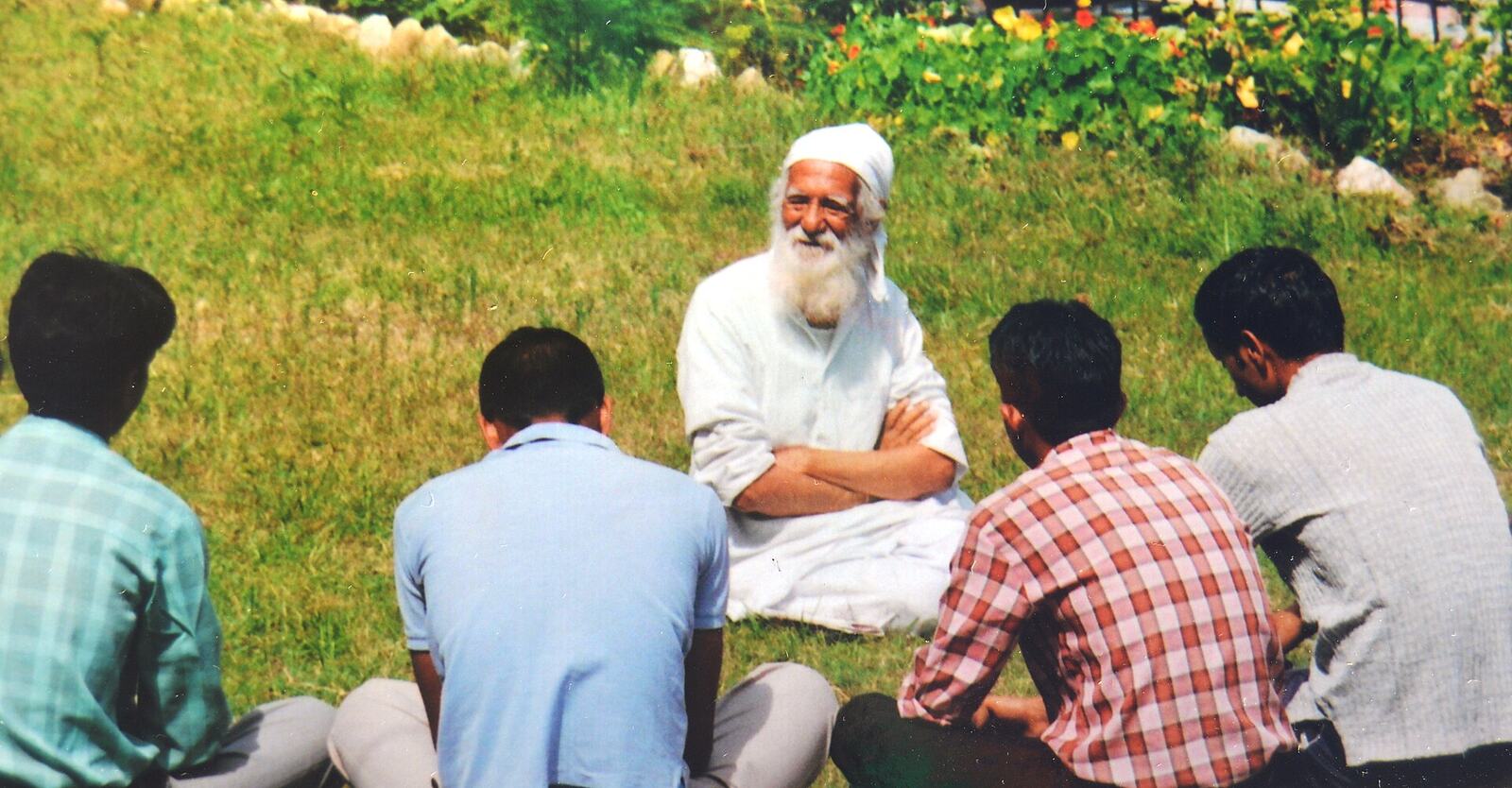
Chipko movement
In Mandal and Reni (Chamoli), villagers — most famously the women of Reni led by Gaura Devi in 1974 — hugged trees to stop commercial felling. Inspired by Chandi Prasad Bhatt and later Sunderlal Bahuguna, Chipko became a world-famous symbol of community forest protection.
© रघुबीर सिंह · CC BY-SA 4.0 - 1994
The statehood agitation
Demands for a separate hill state, voiced for decades and organised by groups like the Uttarakhand Kranti Dal (founded 1979), became a mass movement. Police firings at Khatima (1 Sept), Mussoorie (2 Sept) and the Rampur Tiraha incident (2 Oct 1994) are remembered as wounds of the struggle.
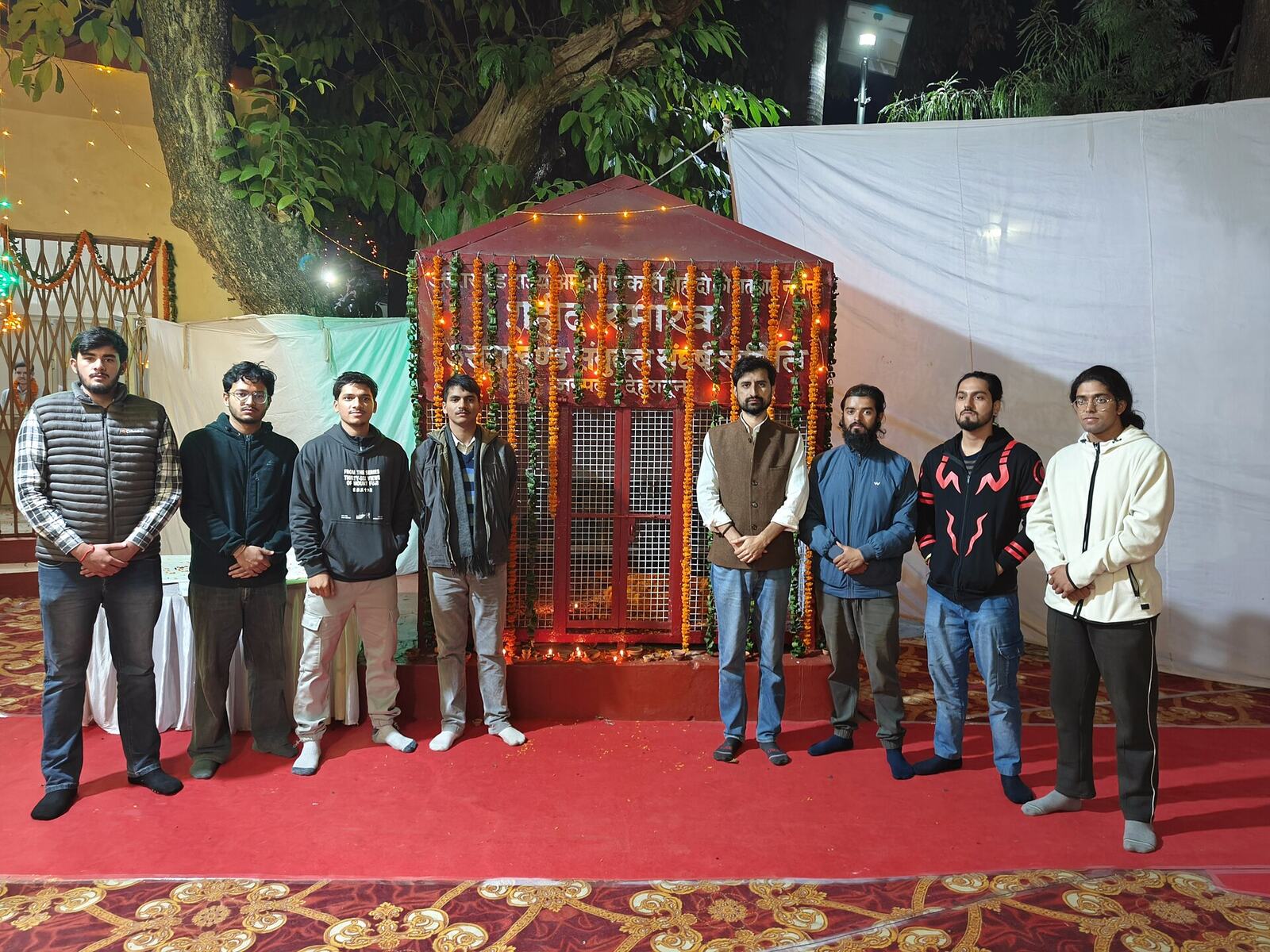
© Himalayanwarrior · CC BY 4.0 - 9 November 2000
Birth of Uttaranchal
The state was carved out of Uttar Pradesh as the 27th state of India, named Uttaranchal. The date is celebrated every year as Uttarakhand Foundation Day (Rajya Sthapna Diwas).
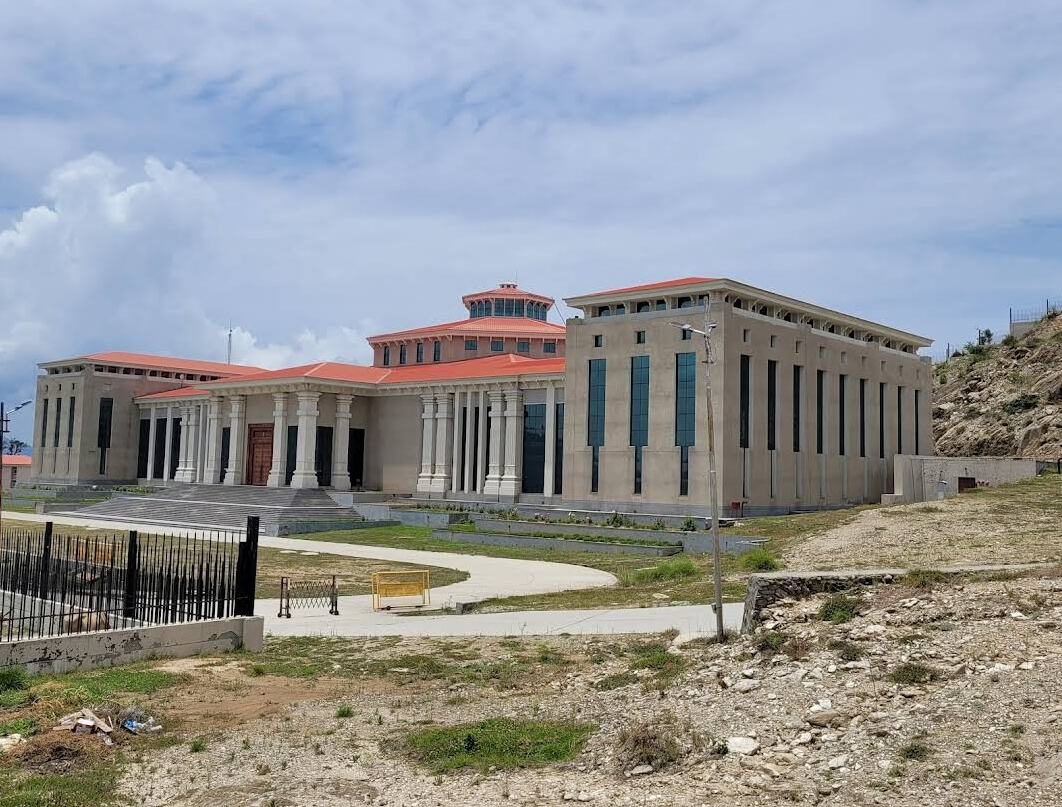
© NatashaRostova14 · CC0 - 1 January 2007
Officially Uttarakhand
Honouring the name used by the people's movement, the state was renamed Uttarakhand. Dehradun serves as the capital, with Gairsain (Bharadisain) declared the summer capital in 2020.
© Shivikaso · CC0 - June 2013
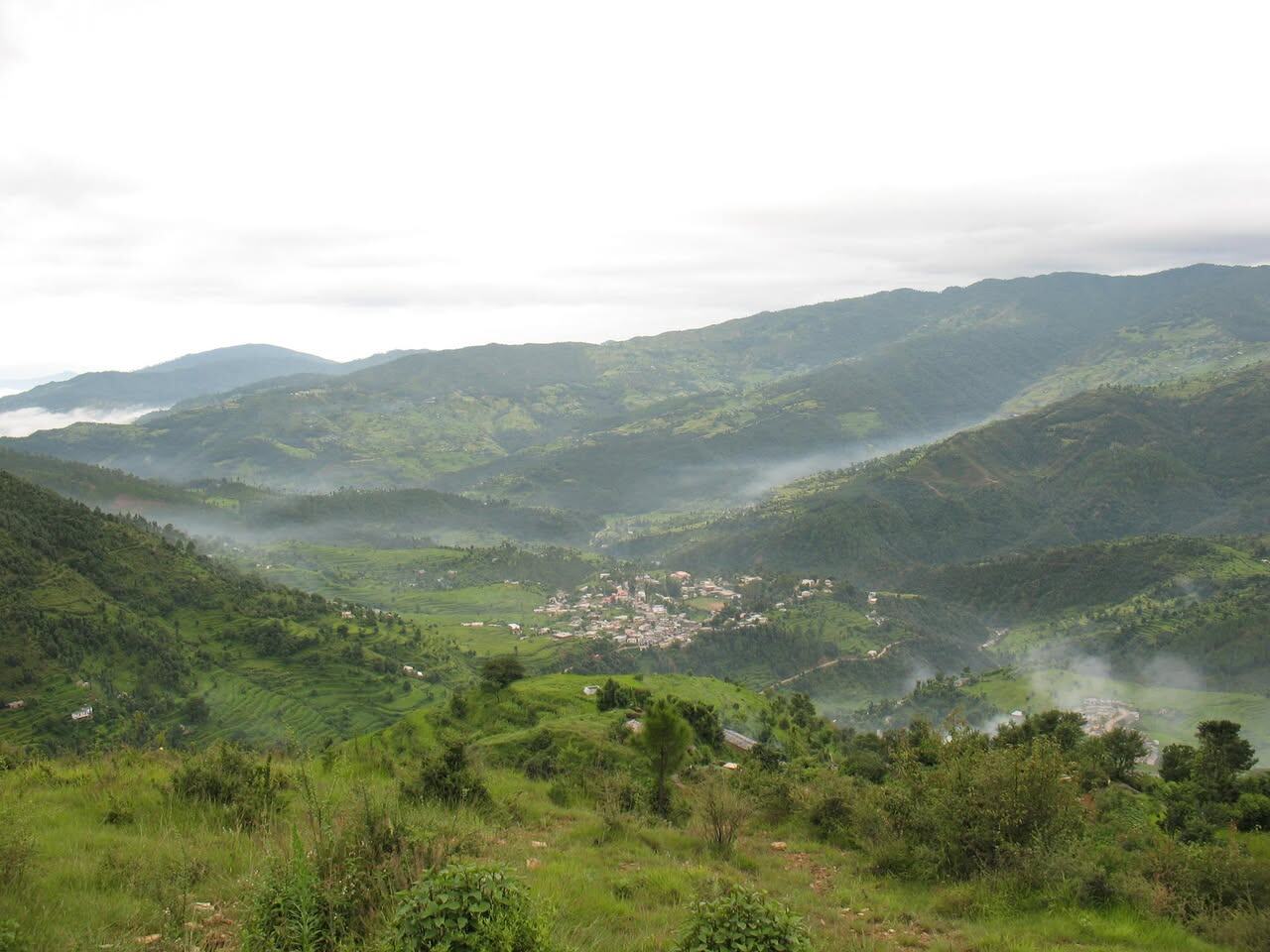
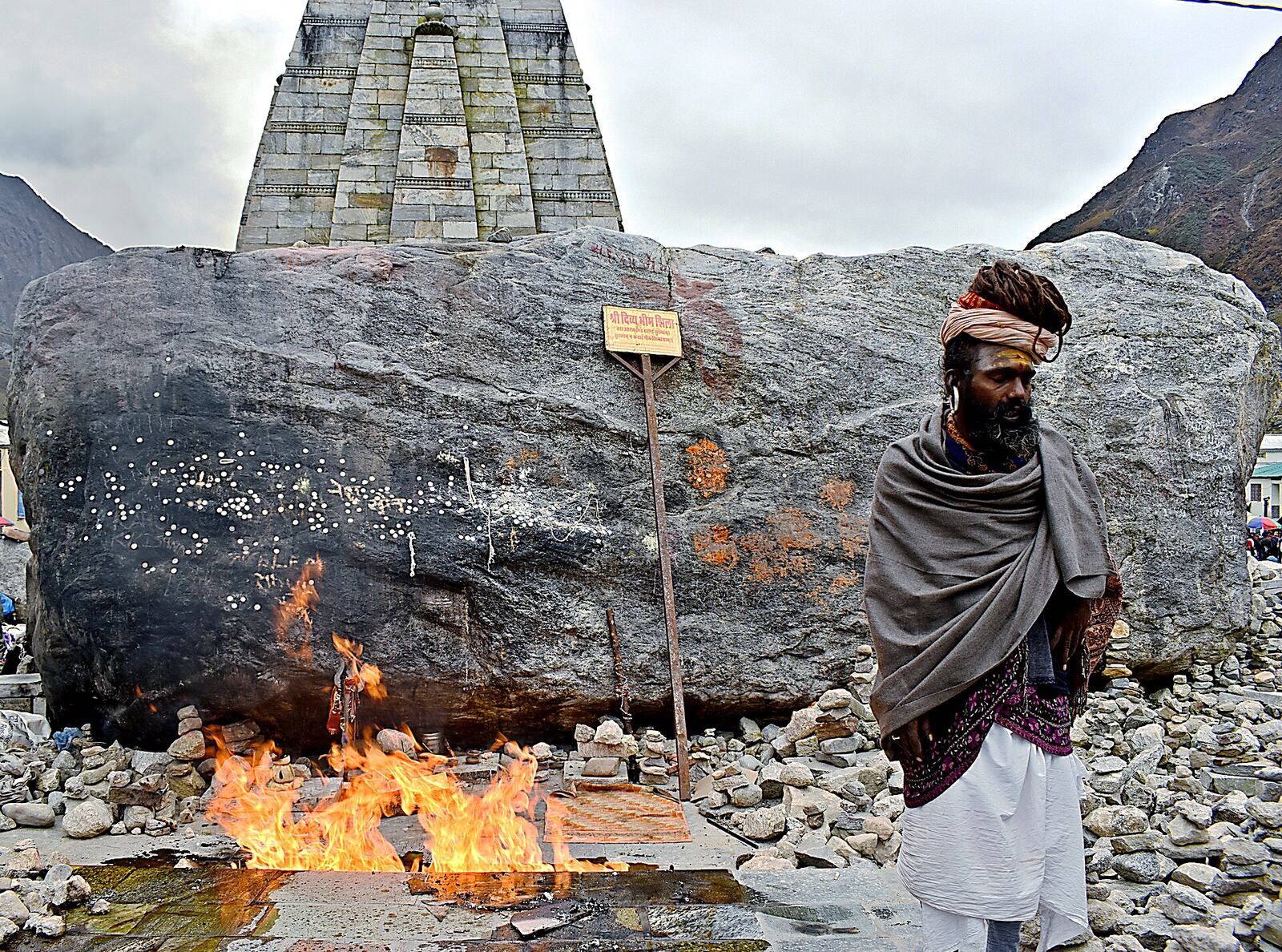
Kedarnath disaster
Cloudbursts and a glacial lake outburst above Kedarnath caused devastating floods across the state. Thousands lost their lives. The tragedy reshaped conversations about fragile mountain ecology and development in the Himalaya.
© Rohit Sharma · CC BY-SA 4.0
राज करणी वंश
पुराण राजवंशों कि तारीख शिलालेख, सिक्क और परंपरा बटी ऐंछ, और इतिहासकार अजि लै इनूँ पर बहस करनी।
c. 2nd c. BCE – 3rd c. CE
Kunindas
Foothills & middle hills
Known mostly from coins; among the earliest named rulers of the region.
c. 7th – 11th c.
Katyuris
Joshimath, later Kartikeyapura (Baijnath)
Builders of Jageshwar and Baijnath temple groups; branches survived at Askot, Dwarahat, Doti.
c. 10th/13th c. – 1790
Chands
Champawat, Almora (from 1563)
Unified Kumaon; Almora became the cultural capital.
c. 9th c. – 1803 (Tehri until 1949)
Panwars / Parmars
Chandpur Garhi, Devalgarh, Srinagar, Tehri
Ajay Pal united the 52 garhs; continued as Tehri princely state.
1790 – 1815
Gorkhas
Ruled from Nepal
Short, harsh rule remembered as the 'Gorkhyani'.
1815 – 1947
British
Kumaon Division (Nainital / Almora)
Hill stations, regiments, forest laws that sparked resistance.