हम पहाड़ी
Who we are
Pahadi — people of the mountains. Farmers of the terraces, soldiers of the Garhwal Rifles and Kumaon Regiment, traders of the high passes, keepers of forests and songs.
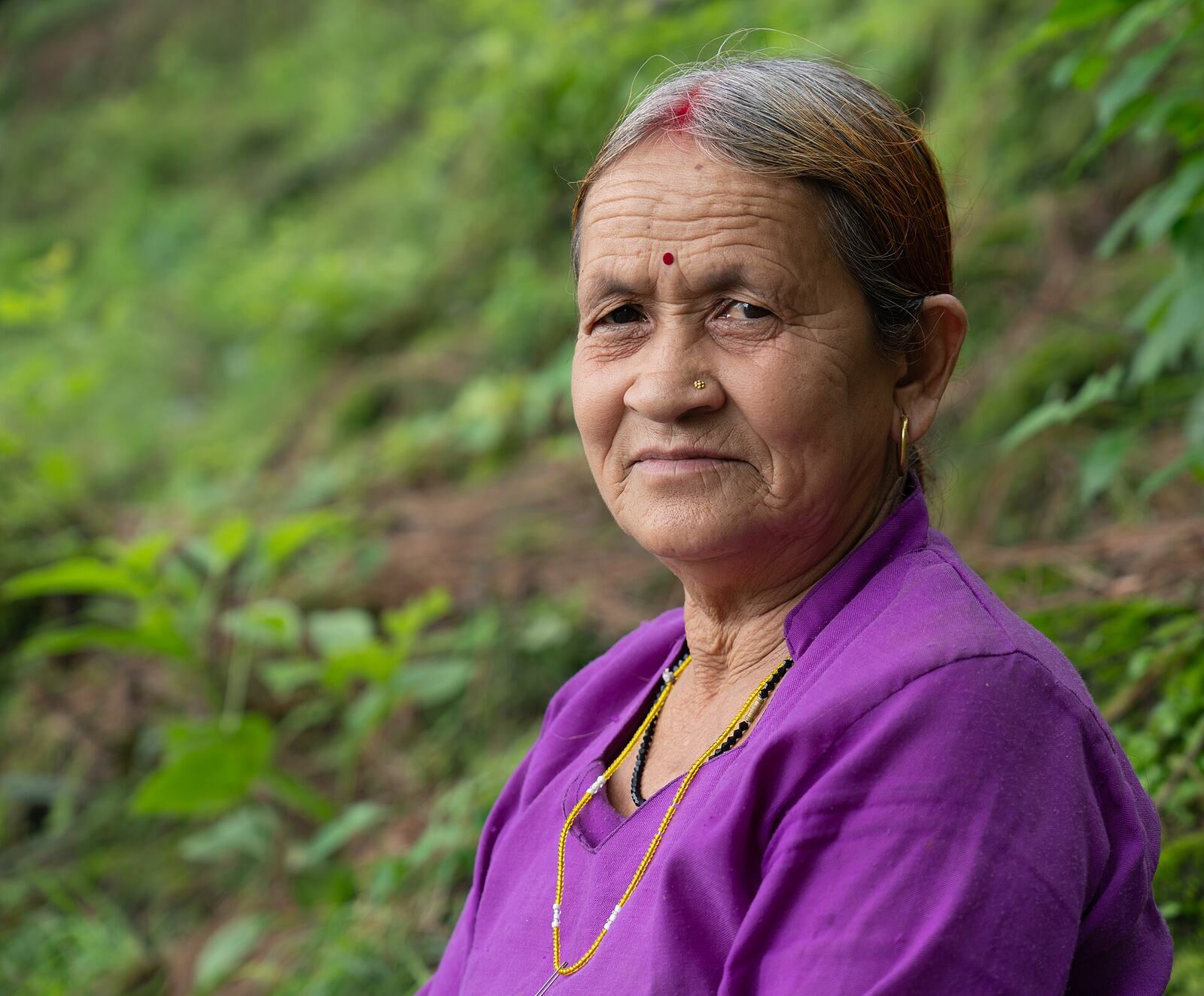
Our communities
Uttarakhand is not one culture but many, woven together over centuries.
Kumaoni & Garhwali
The majority of hill people, speaking Kumaoni and Garhwali, whose ancestors include the ancient Khasa people of the Himalaya along with later settlers from the plains. Village life revolved around terraced farming, cattle, forests and the local deity.
Shilpkar communities
The hereditary artisans — blacksmiths, carpenters, stonemasons, coppersmiths and the Dholi/Auji drummers — whose skills built the temples and houses and whose music carries every ceremony. Their contribution is central to Pahadi culture.
Jaunsari
A Scheduled Tribe of Jaunsar-Bawar with their own language, festivals, Mahasu Devta worship and khumri (village council) traditions.
Bhotiya / Rung & Shauka
Communities of the high valleys of Pithoragarh, Chamoli and Uttarkashi — once traders with Tibet, today famous for woollens, transhumance and their own languages and festivals.
Tharu & Buksa
Peoples of the Terai forests in the south, with their own languages, dances and crafts — the original inhabitants of the plains belt below the hills.
Raji & Van Gujjars
The Raji, one of India's smallest tribes, of the Askot forests; and the Van Gujjars, forest buffalo herders who migrate seasonally between the Shivaliks and high meadows.
The Pahadi way of life
Water and forest as commons. Naulas (stone stepwells) and dharas (springs) were built and cared for by the community; Van Panchayats still manage village forests in Kumaon — a system older than modern environmentalism.
Women as the backbone. Carrying fodder, water and firewood up steep slopes, women have always held up hill life — and led its most famous struggles, from Reni's Chipko to the statehood movement.
Service. Almost every family has a fauji. The Garhwal Rifles and the Kumaon Regiment are among the most decorated regiments of the Indian Army.
Devotion everywhere. The mountains, rivers, trees and springs are sacred. Gods are family — Nanda is a daughter, Golu a judge you can write to.
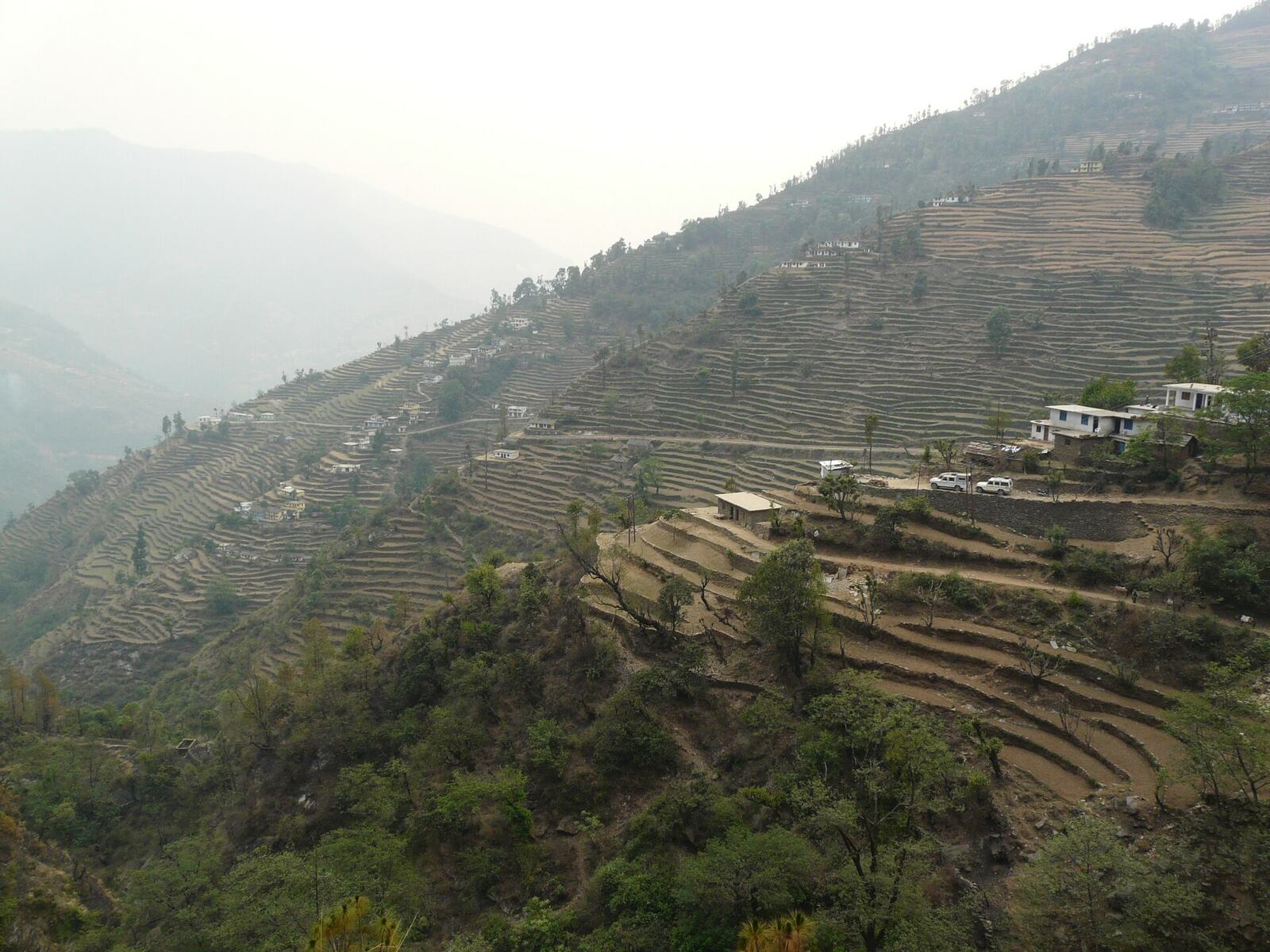
Palayan — the empty villages
Lack of jobs, schools and hospitals in the hills has driven decades of migration to the plains. The state's Rural Development and Migration Commission reported in 2018 that hundreds of villages had become completely uninhabited after 2011 — the so-called 'ghost villages'.
Every house that closes takes a little of our culture with it. That is why this archive exists — and why so many Pahadis are now returning, restarting farms, homestays and crafts.
© Varun Shiv Kapur · CC BY 2.0Contribute to the archive
This is a living archive. It grows with every song, photo, recipe and memory you share.
01
Recordings
Elders telling stories, singing songs or Jagar, or naming things in your dialect.
02
Photographs
Old family photos, village houses, festivals, jewellery, tools — with place and year.
03
Stories & recipes
Folk tales the way your family tells them; recipes from your grandmother's kitchen.
04
Corrections & translations
Spotted a mistake, a different version, or want to translate this site into your language? Tell us.
Please share only material you have the right to share, and ask permission from the people in your recordings and photos.